Ontario-Recommended Testing Schedule for Private Wells
Private well owners in Ontario are responsible for their own water quality. Unlike municipal systems, private wells have no regulatory oversight of ongoing quality — testing, treatment, and maintenance are entirely the owner's responsibility. The following schedule reflects Ontario Ministry of Health and Leeds, Grenville, Lanark, and Renfrew County Public Health recommendations.
| Test Type | Recommended Frequency | Why |
|---|---|---|
| Bacteriological (total coliform + E. coli) | At least annually; twice yearly recommended | Bacteria can enter after heavy rain, flooding, or equipment work |
| Full chemical (CHEM) analysis | Every 3–5 years | Baseline for hardness, iron, manganese, nitrates, pH |
| Arsenic | Once (confirm baseline); re-test if geology changes | Natural occurrence in Renfrew County's Shield rock |
| Nitrates / Nitrites | Annually; especially near agricultural land | Elevated near fertilized fields, septic systems |
| Radon (dissolved) | Once; especially in uranium-bearing geology areas | Some Renfrew County Shield areas have elevated uranium |
| After shock chlorination | After every shocking event | Confirm bacteria cleared before resuming use |
| After any pump/well work | After any intrusion into the well | Work can introduce surface bacteria into casing |
Where to Get Renfrew County Well Water Tested
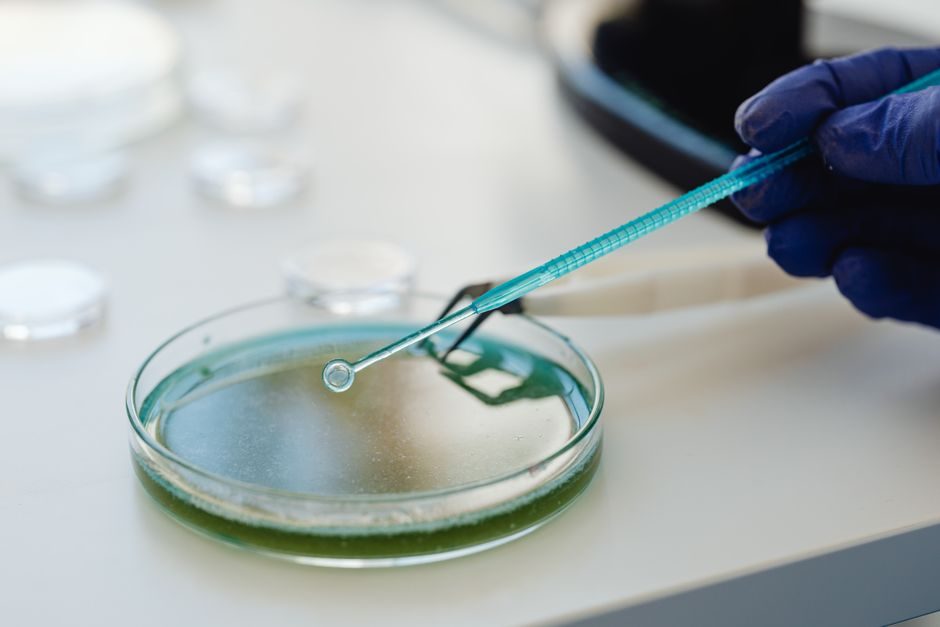
Accredited water testing laboratories serving Renfrew County include the Pembroke Public Health office (which offers provincial bacteriological testing kits at low cost), private accredited labs in Pembroke and Ottawa, and provincial laboratories through MECP. Bacteriological testing kits are often available at county public health units. Samples must be collected in sterile bottles following specific procedures — improper collection technique is a common reason for false positive bacteria results.
Spring Testing: Critical Timing in Renfrew County
Spring snowmelt is the highest-risk period for private well contamination in Renfrew County. Large volumes of surface water moving rapidly across frozen ground can carry bacteria, agricultural runoff, and road salt toward well casings. Annual bacteriological testing should always be done in spring — ideally after a significant rain event — to catch seasonal contamination risk. A test done in dry August conditions may not reflect what happens every May.
Common Water Quality Issues in Renfrew County Wells
Renfrew County's Canadian Shield geology produces a distinctive water chemistry. Understanding what to expect from Shield bedrock groundwater helps property owners make informed decisions about testing and treatment.
Iron and Manganese
The most common water quality complaint in Renfrew County wells. Iron produces reddish-brown staining on sinks, toilets, and laundry. Manganese causes black or brownish staining and has neurological health implications at elevated concentrations (Health Canada guideline: 0.12 mg/L for chronic exposure). Both are dissolved from Shield rock minerals into groundwater. Treatment options include iron oxidation filters, birm filters, and greensand systems, depending on concentrations and water chemistry.
Hardness (Calcium and Magnesium)
Hard water — high dissolved calcium and magnesium — is widespread in Renfrew County wells that pass through limestone-containing geology, particularly in the Ottawa Valley portion of the county. Hardness causes scale buildup in hot water tanks, appliances, and pipes, reducing efficiency and lifespan. Water softeners (ion exchange systems) are the standard treatment; the softener exchanges calcium and magnesium ions for sodium or potassium ions.
Arsenic
Naturally occurring arsenic from Shield rock minerals is present in some Renfrew County wells. Health Canada's maximum acceptable concentration (MAC) for arsenic in drinking water is 10 micrograms per litre (µg/L). Elevated arsenic is odourless, tasteless, and colourless — it cannot be detected without testing. Point-of-use reverse osmosis systems are the most effective residential treatment, removing 95%+ of dissolved arsenic.
Coliform Bacteria
Total coliform and E. coli bacteria can enter wells through several pathways: a cracked or improperly sealed wellhead, surface water infiltration during heavy rain, nearby septic system failure, or disturbance of the well during pump work. Any positive E. coli result is a health concern requiring immediate shock chlorination and re-testing before the water is consumed. Total coliform without E. coli may indicate surface water infiltration and warrants investigation.
Radon in Groundwater
Radon is a naturally occurring radioactive gas produced by uranium decay in Shield rock. It can dissolve into groundwater and be released into indoor air when water is used (showering, dishwashing). Renfrew County has elevated uranium-bearing geology in some areas, making dissolved radon testing worthwhile — particularly for properties relying on high-yield bedrock wells. Aeration treatment at the pressure tank effectively removes dissolved radon from the water supply before it enters the home.
| Contaminant | Health Canada Guideline | Common Renfrew County Treatment | Approx. System Cost |
|---|---|---|---|
| Iron | 0.3 mg/L (aesthetic) | Iron oxidation filter or greensand | $800–$2,500 |
| Manganese | 0.12 mg/L (health-based) | Greensand filter; birm; oxidizing media | $1,200–$3,000 |
| Hardness | No health guideline; 80–100 mg/L aesthetic | Ion exchange water softener | $1,000–$3,000 |
| Arsenic | 10 µg/L (MAC) | Point-of-use reverse osmosis | $400–$1,200 |
| Bacteria (coliform) | Zero (E. coli); 0 (total coliform) | Shock chlorination; UV disinfection | $500–$1,500 (UV) |
| Radon (dissolved) | 100 Bq/L (Health Canada) | Aeration at pressure tank | $1,500–$4,000 |
Understanding Well Water Treatment Systems
Treatment systems for private wells in Renfrew County range from simple point-of-use filters to whole-house systems. Selecting the right system depends on the specific contaminants present — a test result is the required starting point before any treatment investment.
UV Disinfection
Ultraviolet disinfection systems are installed on the water supply line before distribution and expose water to UV light, which destroys bacteria and viruses without adding chemicals. UV is effective against coliform bacteria, E. coli, giardia, and cryptosporidium. It is not effective against dissolved chemicals (arsenic, iron, hardness). UV systems work best on clear water — turbid or high-iron water must be pre-filtered before UV or the light is blocked. UV lamps should be replaced annually.
Reverse Osmosis (RO)
Point-of-use RO systems (typically installed under the kitchen sink) push water through a semi-permeable membrane that removes dissolved contaminants. Effective for arsenic, nitrates, fluoride, lead, and many dissolved minerals. Not typically used for whole-house applications in Renfrew County due to slow flow rates. RO membranes require replacement every 2–3 years; pre-filters annually.
Iron and Oxidation Filters
These systems oxidize dissolved iron and manganese into solid particles that are then filtered out. Common media include birm, greensand (potassium permanganate regeneration), and air injection/oxidation tanks. System selection depends on iron and manganese concentrations, pH, and the presence of hydrogen sulphide (sulphur smell). A water test is essential before selecting an iron treatment approach.
Related Information
Pumps & Pressure Tanks
How iron and hardness affect pump and pressure tank life — and what to do about it.
Read GuideMaintenance Guide
Seasonal well maintenance including annual testing reminders and spring risk management.
Read GuideHiring Guide
How to find and vet a licensed water treatment specialist in Renfrew County.
Read Guide